

End of Term 2025: Reflecting on a Transformative Year in Education
As 2025 draws to a close, we look back at the trends, challenges and opportunities that shaped the education workforce, and look ahead to 2026.
Practical guidance for educators and families on spotting early signs of mental health challenges and building resilience at home and in school.
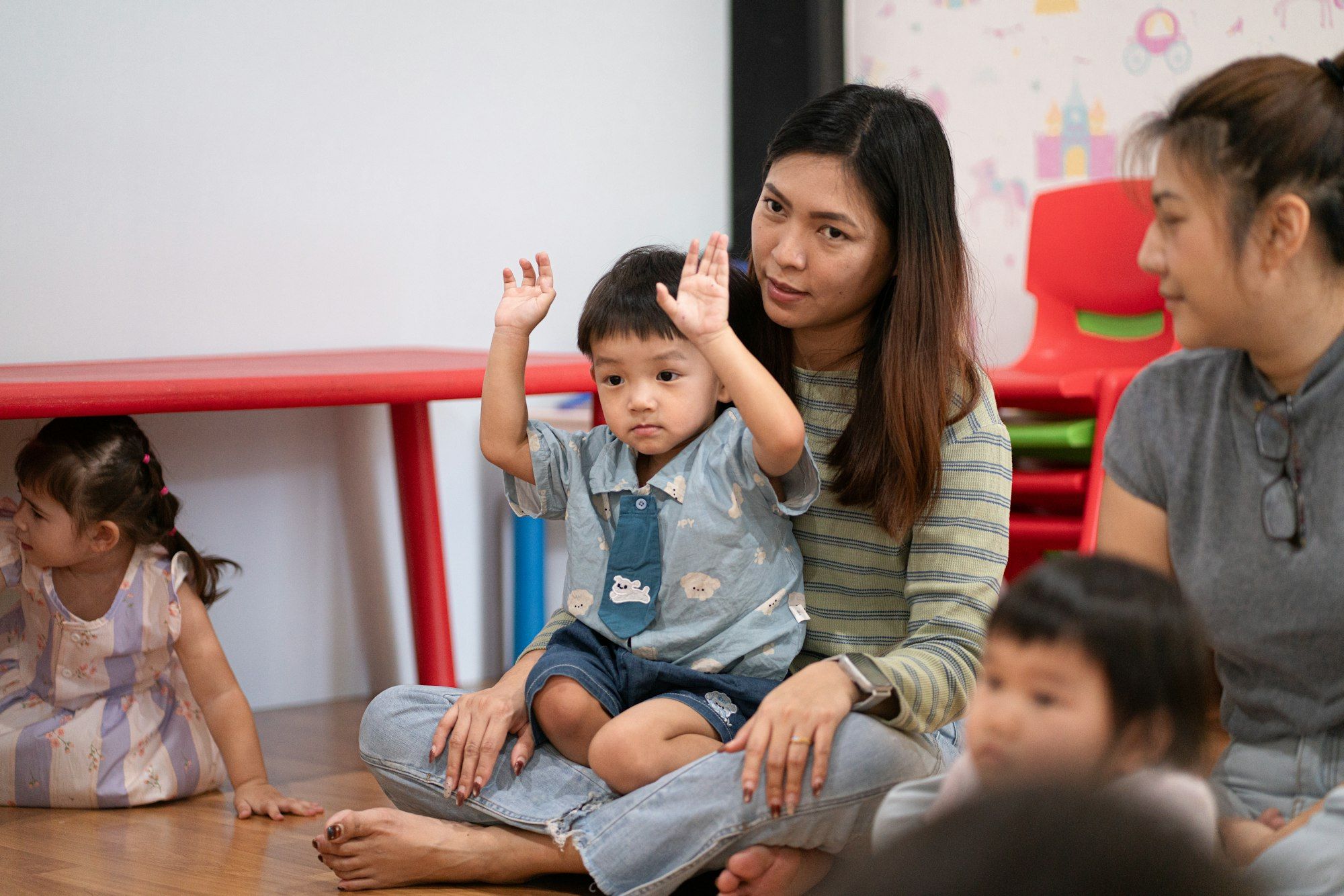
In today's fast-moving world, understanding children's mental health has become a crucial priority. Children's Mental Health Week highlights the importance of early intervention and support, offering practical guidance to educators, parents and community leaders. It raises awareness of the challenges young people face, and reminds us how much a nurturing environment matters.
In this guide you'll find practical tips and strategies to build resilience and wellbeing among young learners, including:
The week focuses on emotional wellbeing and early intervention, with the aim of creating supportive environments for young minds. A central theme is the role of community and school support systems. Educators, caregivers and local leaders are encouraged to:
Another focus is practical resources that help families and educators manage everyday challenges. Early education plays a big part in long-term wellbeing, and simple steps such as structured routines, creative outlets and mindfulness exercises make a real difference.
Children can sometimes show emotional and behavioural changes that point to an underlying mental health challenge. Anxiety, persistent sadness and stress can affect a child's daily life at school and at home. These signs aren't always obvious, but subtle changes in behaviour and mood can offer important clues. Parents, educators and caregivers should look out for:
Recognising and responding to these signs early helps create a healthier emotional environment where children can grow and learn.
A predictable daily schedule with time for homework, play and rest helps children feel secure. Visual aids such as calendars or charts can reinforce the structure.
Create a safe space where children feel comfortable sharing their feelings. Ask about their day and listen actively. A regular daily check-in builds trust and helps children talk about their emotions.
Activities that promote mindfulness and emotional regulation, such as deep breathing, journaling or creative play, support psychological resilience. Work with educators to bring these practices into classroom routines.
Keep in regular contact with teachers and school counsellors to follow a child's progress, and agree learning strategies that meet their individual needs.
It's dedicated to raising awareness of the emotional and psychological wellbeing of children and young people, and to encouraging early intervention, understanding and supportive environments.
Common indicators include changes in behaviour, difficulty concentrating, withdrawal from social activities and unusual mood swings. Spotting these early can lead to timely help and reassurance.
By running awareness programmes, creating safe spaces for discussion and working with local experts, schools play an essential role in identifying and addressing challenges early.
Keep communication open, notice changes in behaviour and seek professional advice when needed, so children get the right support and care.
Awareness and persistent support make a lasting difference to children's mental health. Recognise early warning signs and seek guidance promptly; create safe, supportive environments in school and at home; use local mental health resources; and keep talking openly about wellbeing. Your commitment today helps build a healthier, brighter future for our children.
Keep reading
As 2025 draws to a close, we look back at the trends, challenges and opportunities that shaped the education workforce, and look ahead to 2026.

Quick, regular checks for understanding help teachers spot misconceptions early, adapt their teaching and build a classroom culture of growth.